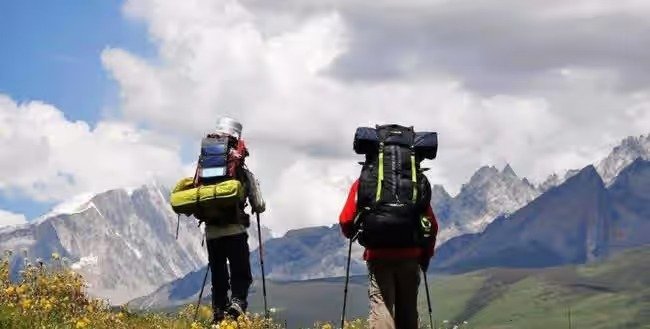
Out in the wild, fire is more than a campfire mood. It keeps you warm, dries your wet clothes, purifies water, cooks your food, keeps animals at a distance, and gives you a big boost of confidence. Knowing how to start a fire in the wilderness is one of the most valuable skills any outdoor lover can learn. In this guide, we’ll walk through seven reliable methods, then show you three clever ways to carry fire with you on the move.
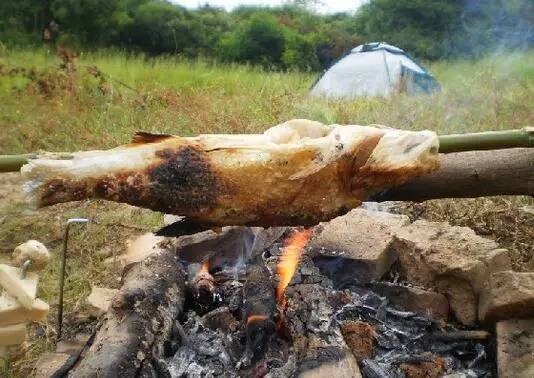
Before You Begin: Gather the Right Materials
Every successful fire starts with preparation. Before you try any method, collect three things:
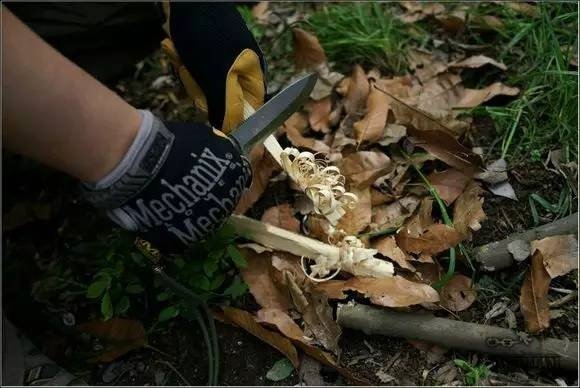
- Tinder: This catches the first spark. Good choices include dry grass, crushed dry leaves, dandelion fluff, or fine shavings scraped from a dry stick with a knife. Tinder must be dry, thin, and easy to ignite.
- Kindling: Dry, thin twigs that catch fire from the tinder.
- Fuel: Thicker, dry branches that keep the fire going.
Once everything is ready, light the tinder first. Gently add thin, dry twigs on top, and blow softly at the base to feed the flames with oxygen. When the fire grows strong, add thicker branches little by little.
7 Ways to Start a Fire in the Wild
1. Matches and Lighters
The easiest option is the best one: matches and a lighter. When you’re in the wilderness, bring them whenever you can. They save you time and precious energy. Just make sure they’re built for outdoor use, with waterproof, windproof matches and a reliable lighter.
2. Striking Flint and Steel
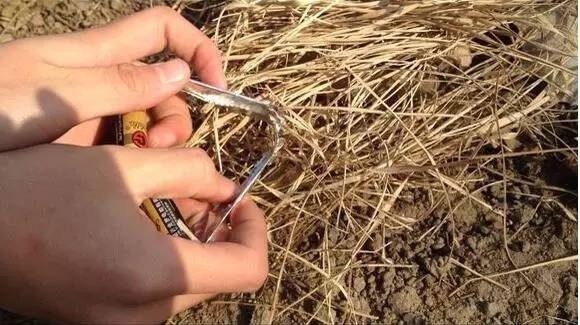
Strike a flint with the back of a knife or a small piece of steel, so the sparks land on your tinder. A saw-toothed steel edge throws more sparks than a regular knife. When the tinder begins to smolder, blow gently until it bursts into flame. Keep in mind that not every rock works. The sparks must be hot enough and last long enough to light your tinder.

3. Using a Battery (Last Resort)
If you have a battery, you can use it to make heat. Connect a thin piece of metal wire, or a strip of foil, across both ends of the battery. This creates a short circuit, and the thinnest part of the wire or foil heats up quickly and glows or burns, which you can use to ignite your tinder.
Safety warning: Short-circuiting a battery is risky. It can get very hot, leak, or even burst, especially with lithium batteries such as those in phones. Treat this as an emergency-only trick, and keep your face and hands away from the battery.
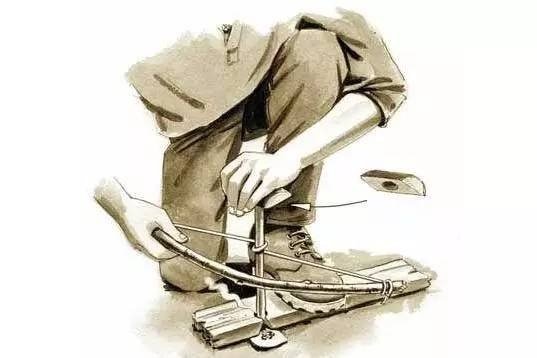
4. Bow Drill Fire
Make a bow from a tough, dry branch or a strip of bamboo, strung with a shoelace, rope, or belt. Wrap the string around a dry wooden stick, and spin it quickly against a small piece of hardwood. The constant friction creates heat and produces black powder. Eventually that powder starts to smoke and glow. Carefully tip it into your tinder and blow gently to turn it into flame. This method takes a long time, so patience is key.
5. Vine Friction Method
This works on the same principle as the bow drill. Find a dry tree trunk, split one end, and prop the crack open. Place tinder inside, then thread a vine of about two feet behind it. Hold the trunk firmly with your feet, and saw the vine quickly from side to side. Friction creates heat, which lights the tinder.
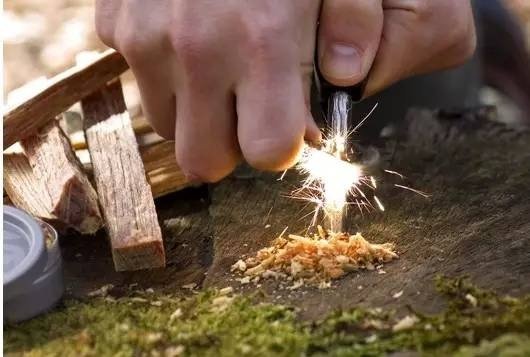
6. Magnesium Fire Starter
A magnesium fire starter is a favorite with many survival enthusiasts, because it works in almost any condition. It isn’t bothered by damp weather or wind. Use a knife to scrape a small pile of magnesium shavings onto your tinder. You don’t need a lot. Then scrape the knife quickly along the striker to throw sparks onto the pile, and it will ignite.
7. Magnifying Glass
Any convex lens can focus sunlight into a single hot point: a magnifying glass, binoculars, a camera lens, or even a flashlight reflector. Hold it so the bright dot lands on your tinder, and keep it steady until the tinder starts to smoke and catch. In icy places, you can even shape a clear piece of ice into a lens that’s thick in the middle and thin at the edges. This method needs strong sun, so it’s best to light your fire during the day.

How to Carry Fire With You
You can’t stay in one camp forever. When it’s time to move on, you don’t want to go through the whole process again. The good news is that you can carry fire with you. Here are three ways:
1. A Smoldering Piece of Wood
Choose a dry, fairly thick piece of wood, ideally a root, that isn’t too dense, because dense wood goes out easily. Light it, then put out the flames so only a glowing ember is left. Carry it along, and when it’s almost burnt out, light the next piece from it. Keep an eye on it as you walk, and blow gently on it when it starts to fade. When you need a fire, place tinder on the ember and blow.
2. A Tube or Container
Roll bark into a tube, or use a bamboo section or a pot-shaped container made from clay. Leave one end open for airflow, and half-close the other. Put in some half-damp material like rotten leaves or moss, then add your ember. Once it starts to smoke, cover one opening halfway with mud. This method typically keeps a fire alive for around two hours.
3. Tinder Fungus
Look for a large, hard, mushroom-like growth on a tree trunk. Use a spark to light a small spot in the middle, then blow gently so it smolders inward. A single piece can smolder for four or five hours, and people have carried fire this way since ancient times. If you plan to put it in a bag, add some green moss around the glowing spot to keep the bag from catching fire. When you need a flame, place tinder on the fungus and blow.

Fire Safety Reminders
- Check local rules first. Fires may be restricted or banned in dry seasons or protected areas.
- Clear the ground around your fire pit, and keep water or soil nearby.
- Never leave a fire unattended, and never carry a smoldering ember near flammable gear.
- Put the fire out completely with water and stir the ashes until they are cool to the touch.
Make Fire-Making Easier on Your Next Trip
These skills are great to have, but you don’t have to rebuild a fire from scratch at every stop. A compact wood stove burns twigs and small sticks efficiently, so the tinder and kindling you gather go further. For quick meals, a gas stove is a dependable backup, and our guide to choosing a camping stove can help you decide which type fits your style.
Final Thoughts on How to Start a Fire in the Wilderness
Learning how to start a fire in the wilderness takes practice, patience, and a little preparation. Start with the simple methods like matches and a lighter, practice the others at home or in a safe spot, and always carry a backup. Master these seven methods, and learn how to keep your fire alive on the move, and you’ll be ready for whatever the outdoors throws your way.