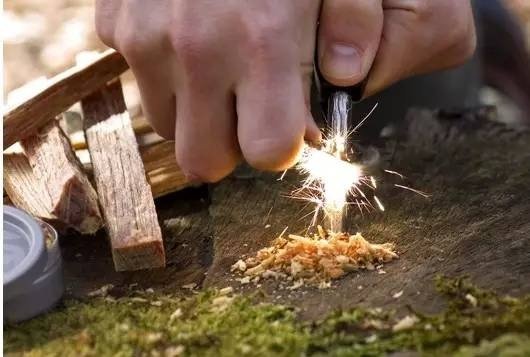
Planning your first hike? Chances are you’ve heard “pack light” a hundred times, but nobody tells you what to actually pack. Don’t worry, we’ve got you covered. This hiking gear checklist walks you through eight must-have items, step by step, so you can head out feeling prepared instead of overwhelmed.
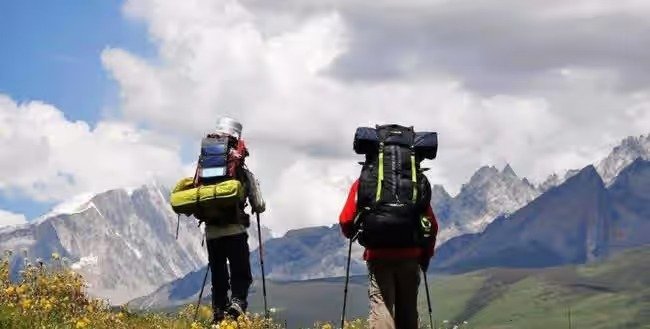
1. A Backpack That’s Big Enough
Every good hiking gear checklist starts with the pack. Go for one that holds 50 liters or more, so all your essentials fit inside. For a beginner, 50L is more than enough for a three- or four-day trip.
Try not to tie things onto the outside. Dangling gear swings from side to side, catches on branches, and quietly drains your energy. Keep everything inside, and your walk will feel steadier and easier.
2. A Tent That Keeps You Dry

Your tent is your bedroom on the trail, so it deserves some thought. Look for one that’s lightweight, windproof, and waterproof. Size matters too: a two-person tent can feel tight once two big backpacks come inside, which is why many solo hikers like the extra space.
Here’s the trick for staying dry: stop condensation before it starts. Pull the outer fly tight with stakes so it stays separated from the inner tent. That small gap lets air flow and keeps the inside nice and dry. Also leave a bit of open ground near the entrance for cooking, so a sudden rain shower won’t leave you scrambling.
3. A Foil Ground Mat
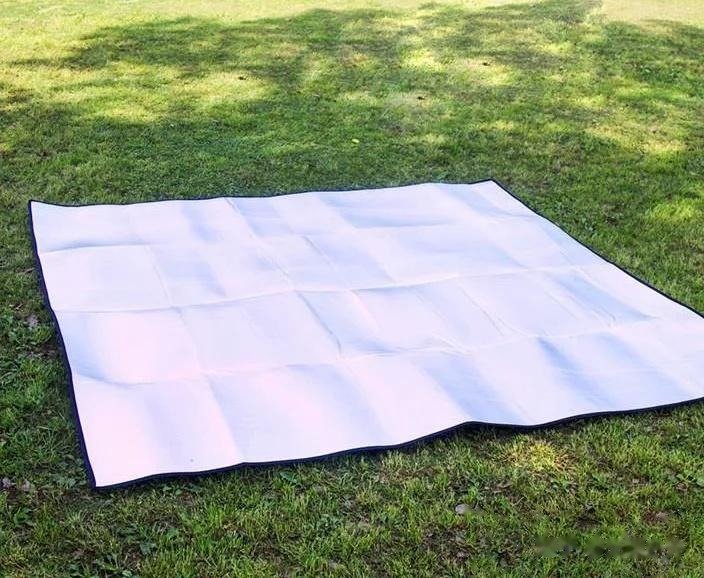
A foil mat sits under your tent or sleeping bag and blocks moisture from the ground. It’s light, simple, and tough, and a good one can last for years.
For longer hikes, many people leave the self-inflating sleeping pad at home. It’s comfy, but it’s heavy, and you’ll feel every gram when it’s on your back. Save it for car camping or short trips close to the road.
4. A Sleeping Bag Made for Your Destination
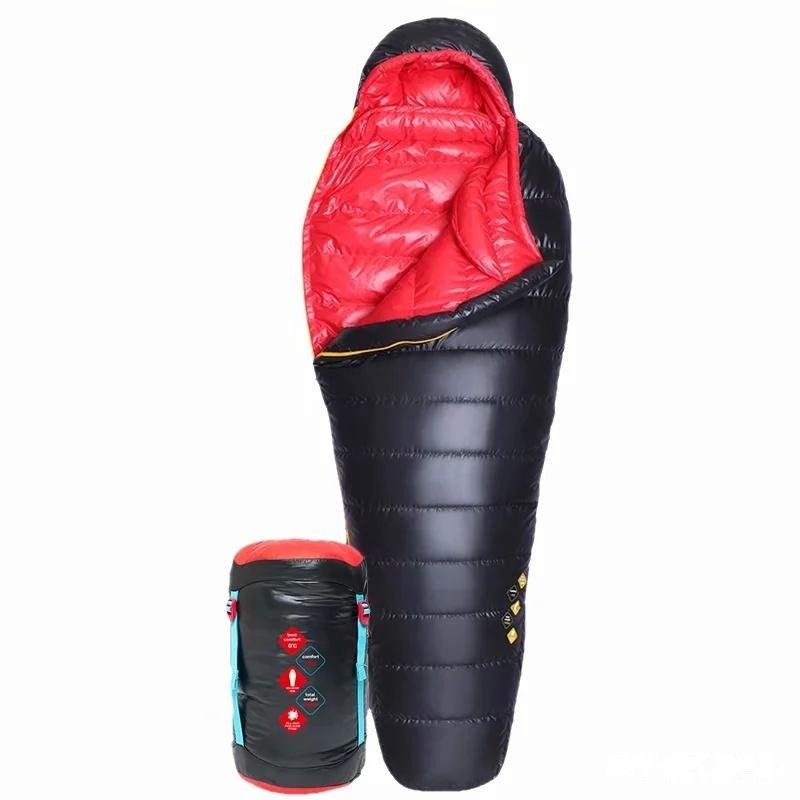
The backpack, tent, and sleeping bag make up the “big three” of hiking gear. Pick your bag based on where you’re going, and check two numbers on the label. The comfort temperature is where most people sleep well. The limit temperature is the lowest point you can stay warm without real discomfort. If your trip might drop below the comfort rating, choose a warmer bag.
Good sleep matters in the bigger picture, too. If you want hiking to be a long-term hobby, build rest into your routine. One easy rhythm: a one-day hike each week to stay active, plus one overnight trip each month with a full pack. Adjust it to match your own fitness.
5. A Camping Stove and Pot
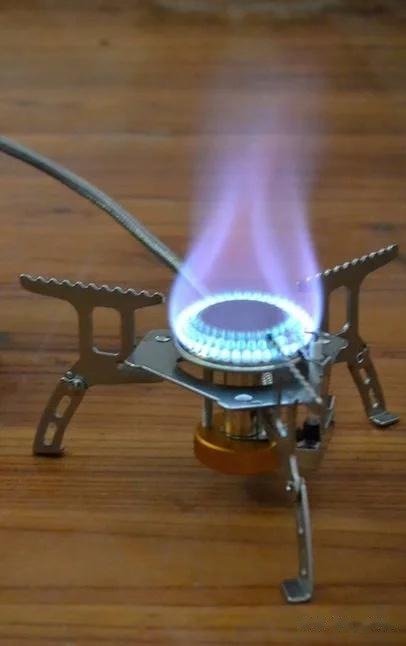
On the trail, there’s no restaurant around the corner. And when you’re cold and hungry, a hot meal feels like a small miracle. Picture a bowl of noodle soup on a chilly spring evening. Warm food also helps your body recover after a long day on your feet.
For most beginners, a compact gas stove is the easiest option: it’s light, lights quickly, and is simple to use. If you’re not sure which type suits your trip, our guide to choosing a camping stove compares the main options side by side.
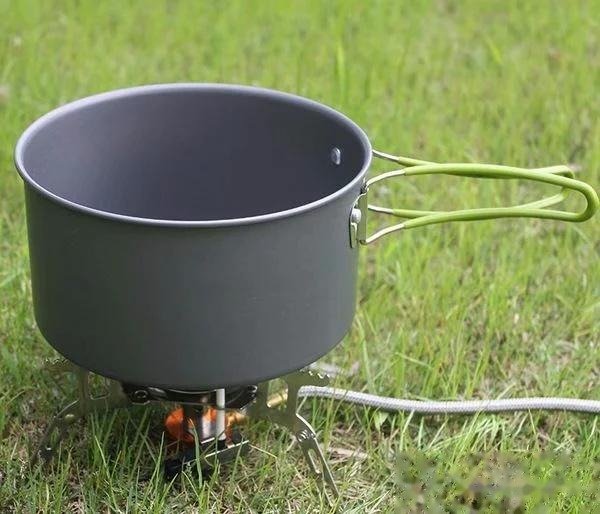
Of course, a stove needs a pot. Choose a small, lightweight one with foldable handles. If you’d like to put together a full kitchen kit, take a look at some camping cookware that packs down neatly.
6. Gas Canisters
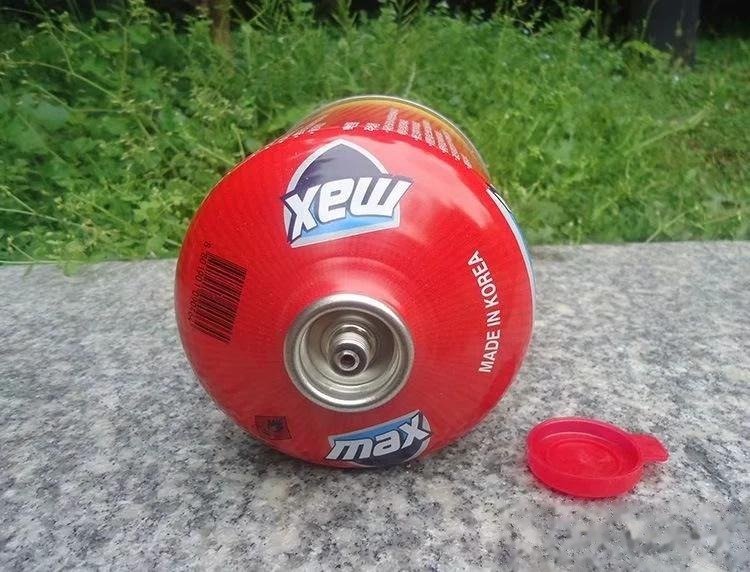
No fuel, no hot meal. If you’re traveling by train, you can usually buy canisters near your destination. You can also order them online and have them delivered to where you’re staying, just plan the timing. Many hikers bring two canisters, which is often cheaper per can. For a two- or three-day trip, one is typically enough, and the spare is your safety net.
One important safety note: gas canisters are not allowed on airplanes, so never pack them in your luggage if you’re flying.
7. Proper Hiking Boots
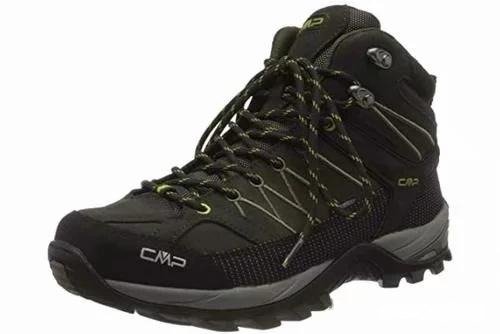
Your feet do all the work, so this is the wrong place to cut corners. Choose high-top boots, which help protect your ankles from twists and rolls. They’re a little heavier, but on the trail, safety comes first.
Leather boots breathe well and can last for years. Look for a non-slip, hard-wearing sole, and make sure they feel comfortable. Always try them on with hiking socks before you buy.
8. A Trekking Pole
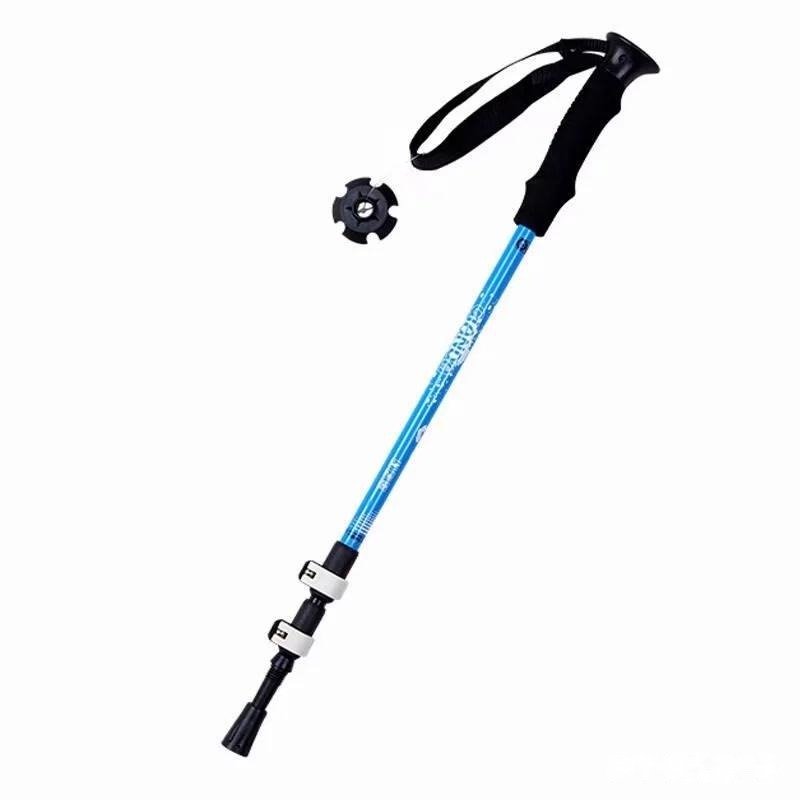
Think of a trekking pole as your third leg. It takes pressure off your knees on steep downhills and gives you extra balance on uneven ground. A lightweight pole with an external lock is easy to adjust and holds firmly in place.
Two Small Extras Worth Packing
- A lighter: Some people swear by a ferro rod, but a plain lighter is much easier to use, especially when you’re tired and cold.
- Insect repellent: Bug bites can ruin a great trip, so keep a spray within reach.
Your Hiking Gear Checklist at a Glance
You don’t need the fanciest equipment to get started. Just work through this hiking gear checklist: a roomy backpack, a dry tent, a ground mat, a sleeping bag that suits the weather, a stove and pot, fuel, solid boots, and a trekking pole. Add a lighter and some repellent, and you’re ready. Pack light, rest well, and enjoy every step.